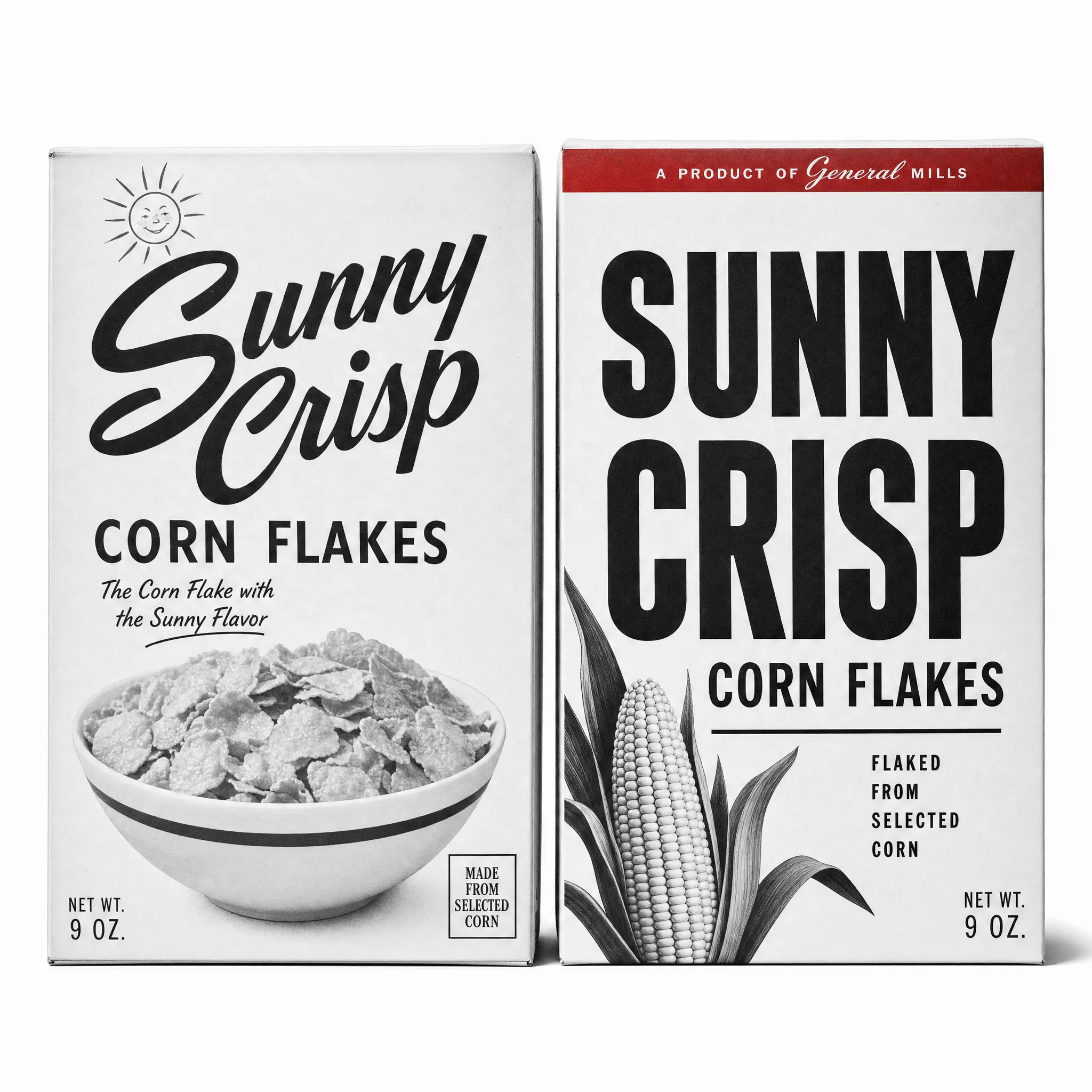
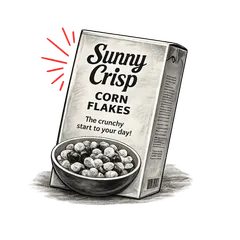
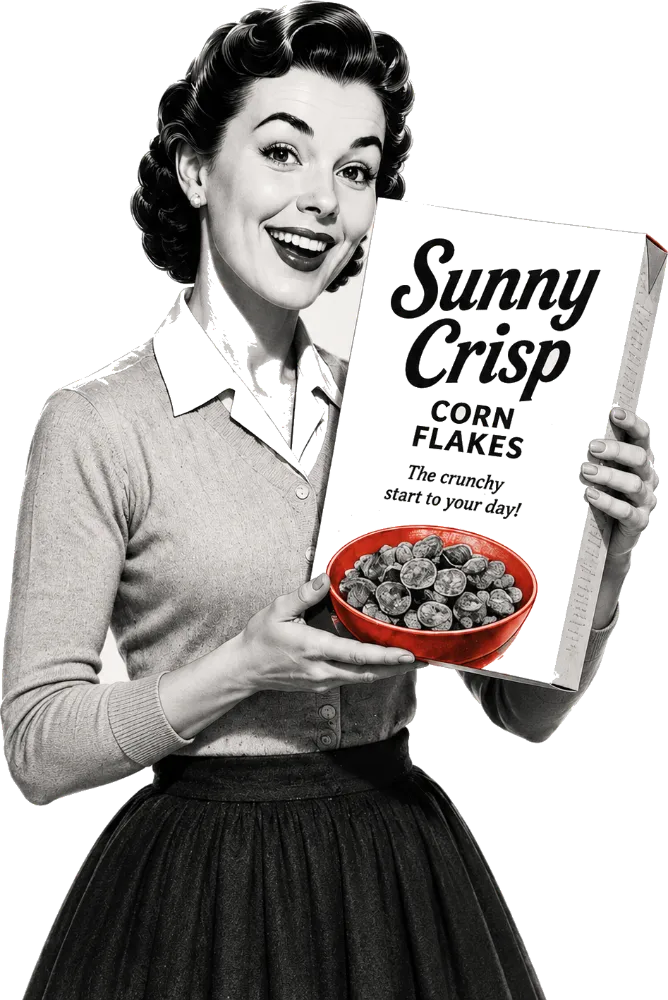
Pack test · Sunny Crisp Corn Flakes
0
Clear winner Recurring themes
- + Health cue lands
- + Shelf standout
- ! Price hesitation
“I like that it looks less sugary than the big brands. I would try a box if the price was close to what I pay now.”
Launching soon on the Shopify App Store

For Shopify merchants
Before you spend a dollar, run your products, packaging, pricing, and ads past 200 simulated shoppers built from real shopper data and your store's own patterns. Get a likely buyer share, a clear result, and the reasons behind it.
Likely buyer share
Put to work by






How it works
Install the app and pick any product from your catalog. That's what gets tested.
A new price, description, image, offer, or way of explaining the value. TestFeed blocks any version it can't test honestly before the test can even run.
Simulated shoppers start from real shopper data, shaped by your store's aggregate purchase patterns. No personal customer data is used.
A likely buyer share, a clear result, and every shopper's full answer — apply the winner with one click, or leave things exactly as they are.
Results
Every test returns a likely buyer share, based on every shopper's full written answer, plus a decision summary in plain English: a clear winner, or a call that it's too close to choose.
Ties are reported as ties
TestFeed never manufactures a winner. If two versions perform the same, it tells you, and you can stop debating.
Pack test · Sunny Crisp Corn Flakes
Recurring themes
“I like that it looks less sugary than the big brands. I would try a box if the price was close to what I pay now.”
Guardrails
Early on, we found the fastest way to get a useless answer was to ask an AI to rate something it has no way of judging. So before we built anything else, we built the guardrails: a short list of questions that produce confident-sounding nonsense, blocked before they ever run.

That's the deal. Every result you get back has already passed through that filter — if it's not something shoppers can answer honestly, you don't get an answer that just looks like one.
Validation
We have run two head-to-head comparisons against real human panels. Here are both results, including the one we got wrong.
The favorable case · Bae Juice, 2026
The miss · B2B software, 2026
Reproducibility
0%
variation across repeat runs of the same test
Most reliable question
Purchase intent
about three times better aligned with human answers than understanding-style questions
Five kinds of change
Does the price hold up?
Does the claim convince?
Does the pitch land?
Which version wins?
Does the offer tempt?
The methodology
Asking an AI to rate something 1 to 5 produces inflated scores. It's a documented failure mode. So shoppers never see a scale. They answer in their own words, one or two sentences at a time.
Each response is embedded and compared against anchor statements for every rating level, producing a probability distribution over ratings. The method is published, independent research from PyMC Labs. The score comes from the language, not from a leading question.
Shoppers start from hundreds of thousands of shopping patterns. Your store's own patterns shape that base from there. No personal customer data is used.
From answer to score
Method: Semantic Similarity Rating · published research · PyMC Labs, Maier et al., 2025

Data and privacy
Audiences are shaped by aggregate store signals like repeat purchase rates, spend bands, product interests, and location. Individual customers are never read or modeled. Private by design — we never ask for names, emails, phones, or addresses.
White glove service
That's what Enterprise is for. Everything in Pro, plus the Human Benchmark Calibration Service — real-human panels, not simulated — with dedicated onboarding and custom audience mapping.
Book a demo and we'll run your first test with you.
Direct install from the Shopify App Store arrives in a few weeks.