
The solo founder
Runs the store, writes the product pages, sets the price.
Until now, the test plan was ship it and watch the dashboard.
Launching soon on the Shopify App Store

Use cases
TestFeed runs inside your Shopify admin, but it isn't just for product questions. Ads, prices, packs, claims, promos: every spending decision you make around the store can be tested against 200 simulated shoppers while you're still making it.

Launches, packaging, campaigns, and messaging get an evidence check before the money goes out, not a post-mortem after. The whole point is the order of operations: result first, invoice second.
No panel recruitment, no agency project, no six-week wait. 200 simulated shoppers answer in about as long as it takes your coffee to go cold, at a fraction of what fieldwork costs.
Shoppers answer in words, so every score arrives with its reasons: hesitations, confusions, trust hooks. One test caught an inconsistency between what shoppers saw and what the copy claimed. A number alone never tells you that.
Two labels, two prices, two concepts. Run them head to head and get a definitive read, including the genuinely useful answer nobody else will give you: they're equal, stop debating, ship.
The product refuses questions its method can't answer, suppresses thin results, and says parity instead of manufacturing winners. Every result is labeled directional: a signal for decisions, not a forecast.
Read-only Shopify access. No pixel, no storefront code, nothing on your live site. Names, emails and addresses are stripped in code before anything is stored.
Who uses it
Shopify merchants of any size end up here for the same reason: real money is about to leave the building on an untested idea, and they'd rather check it first than find out the hard way.
The solo founder
Until now, the test plan was ship it and watch the dashboard.
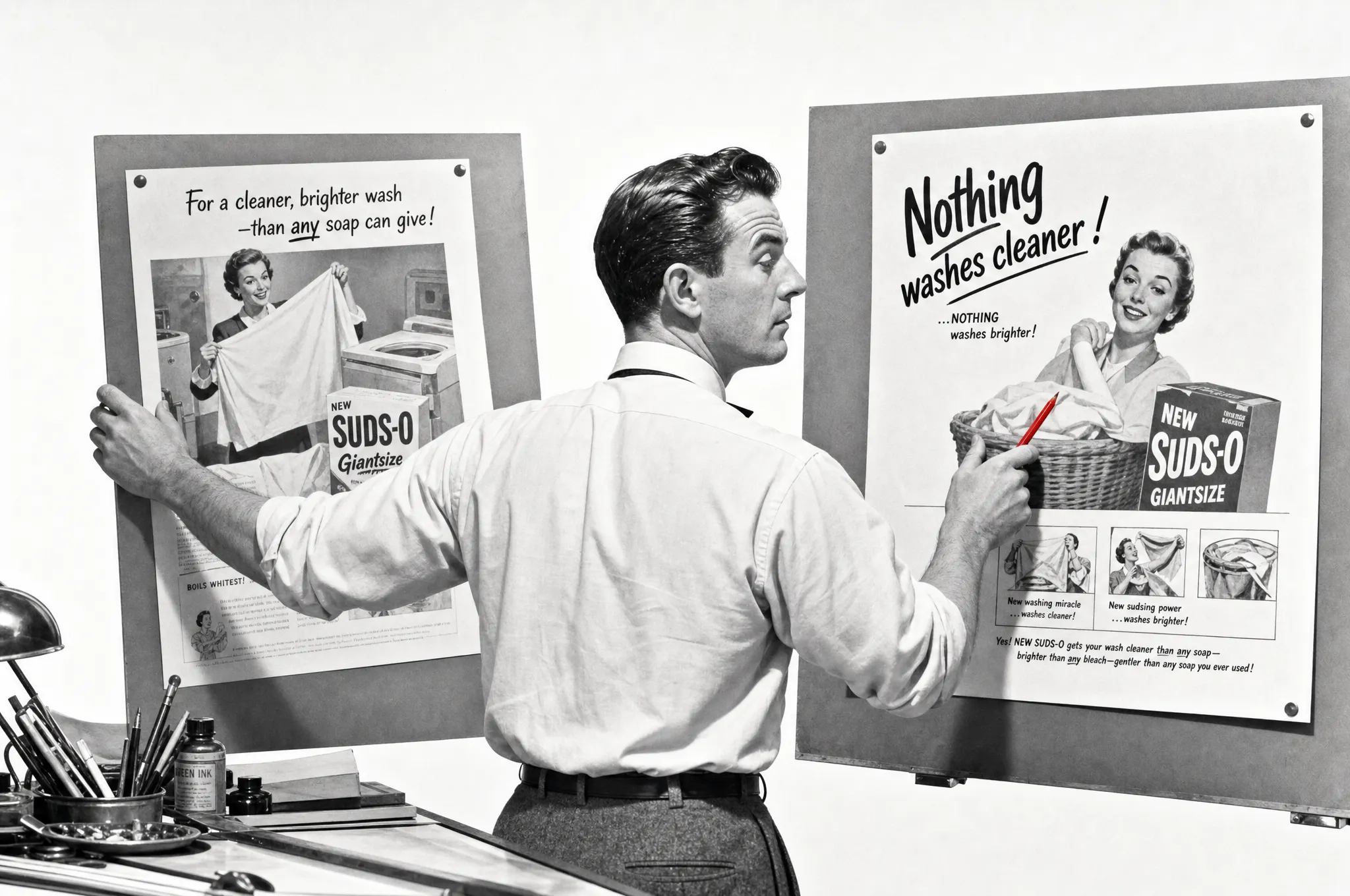
The two-person team
No CRO, no spreadsheet — just a decision they'd rather not make on a hunch.
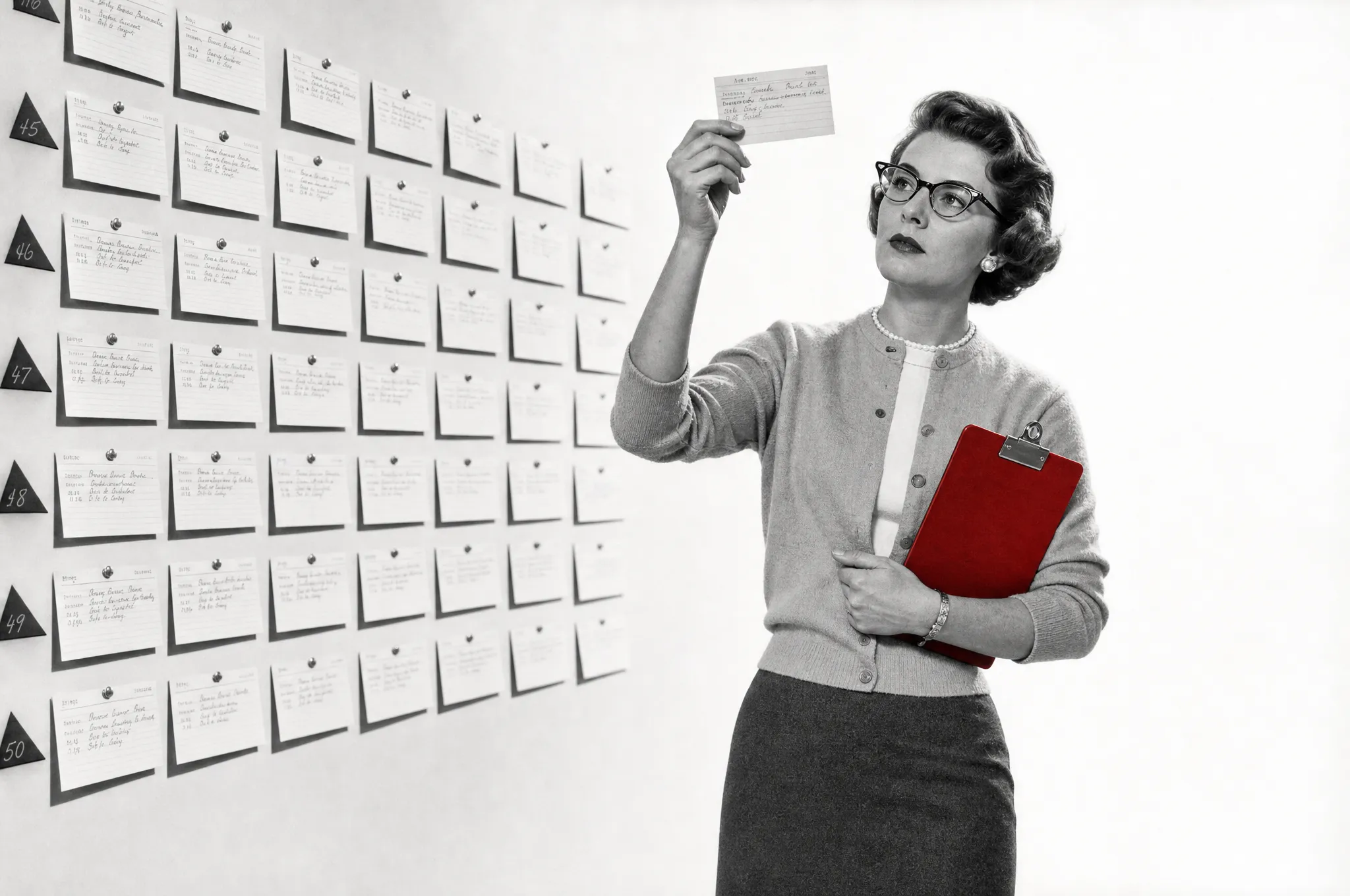
The Shopify Plus team
Wants a faster, cheaper first pass before running a full live test — with Enterprise's real-human panel as a check when a result is big enough to want one.
…want a real panel checking the simulated one? Enterprise adds the Human Benchmark Calibration Service — see pricing.
When you'd use it
Before the launch
Would 200 simulated shoppers buy it? Get the result while you can still change the plan.
Before the print run
Two pack layouts, head to head, before the reprint bill makes the choice for you.
Before the price change
Does the product hold up at the new price, in context? Bounded, honest, no crystal ball.
Before the campaign
The concept, the claim and the offer, read before the media budget is committed.
When the room is split
Half the team wants A, half wants B. Run both. Parity is an answer too.
Before you pick the offer
Percent off, dollars off, bundle, gift with purchase: run the mechanics head to head before the promo goes out.
Where we stop
Simulated shoppers answer some questions well and others not at all. If your decision needs one of these, we're the wrong tool. Full stop.
Out of scopeBook a demo and we'll run your first test with you.
Direct install from the Shopify App Store arrives in a few weeks.