Launching soon on the Shopify App Store

testfeed

Nine test types

What you can test.

Every test works the same honest way: put what you're deciding on in front of 100 simulated shoppers, ask in plain words, and get a scored verdict with the reasons behind it. Nine templates cover the calls that cost merchants real money.

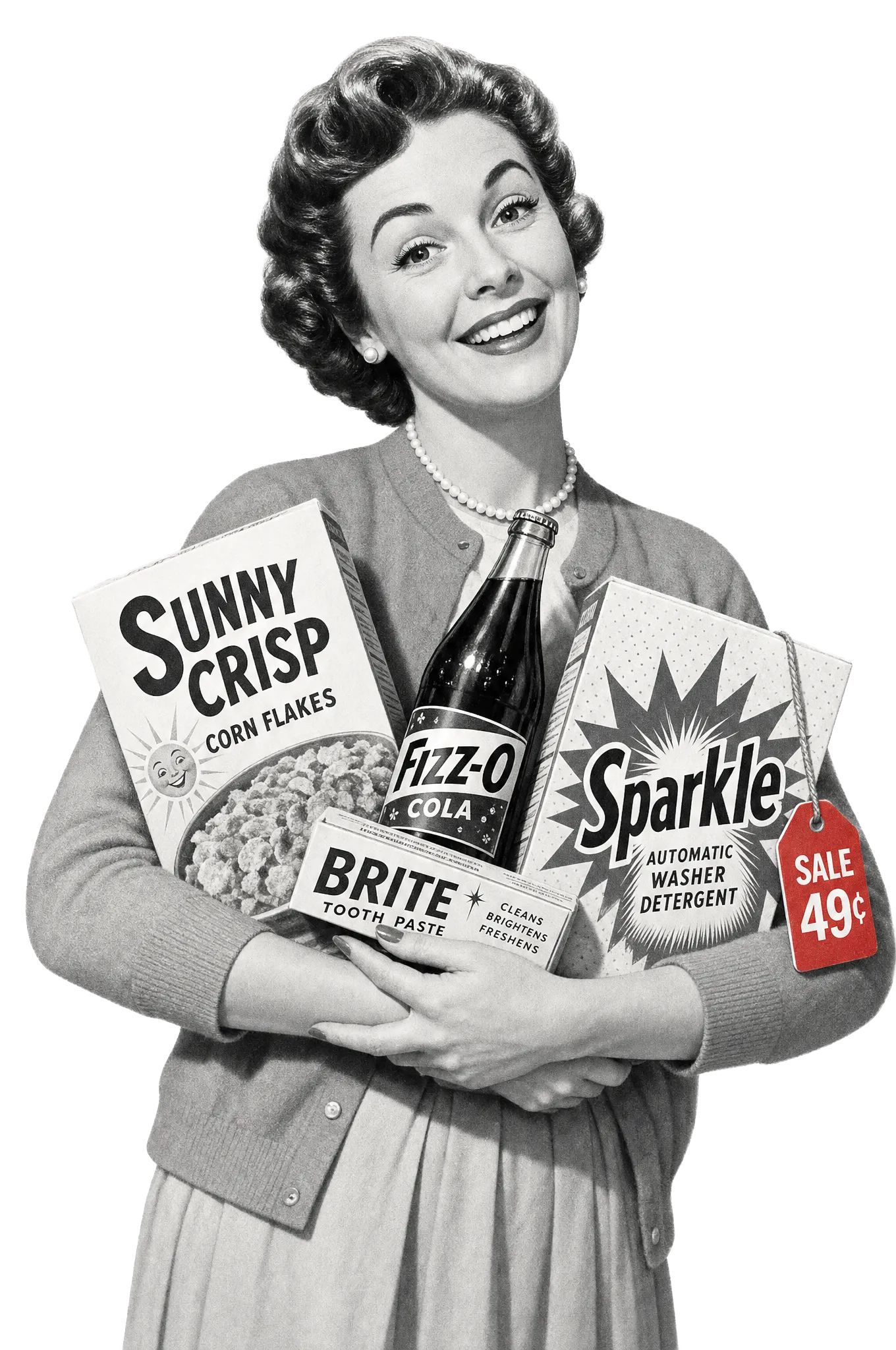
A 1950s woman cradling an armful of products — Sunny Crisp corn flakes, Fizz-O Cola, Brite toothpaste and Sparkle detergent with a red 49 cent sale tag
Purchase intent test visual

Purchase intent.

Would they buy it?

The core read. A hundred simulated shoppers see your product and answer in their own words; you get the share who'd likely buy, a verdict band, and every reason behind the number. It's also the most validated test on the platform: the question type where simulated answers track human panels closest.

When to run it

Before committing inventory, before a launch, or whenever two product directions are on the table.

Value proposition test visual

Value proposition.

Does the pitch land?

Tests whether your main promise is understood and wanted. Shoppers react to the pitch itself, what it says rather than how it looks, and the reasoning shows you where the message earns a nod and where it loses people.

When to run it

Before a homepage rewrite, a rebrand, or when the team can't agree what the product is actually for.

Pack test test visual

Pack test.

Which pack wins the shelf?

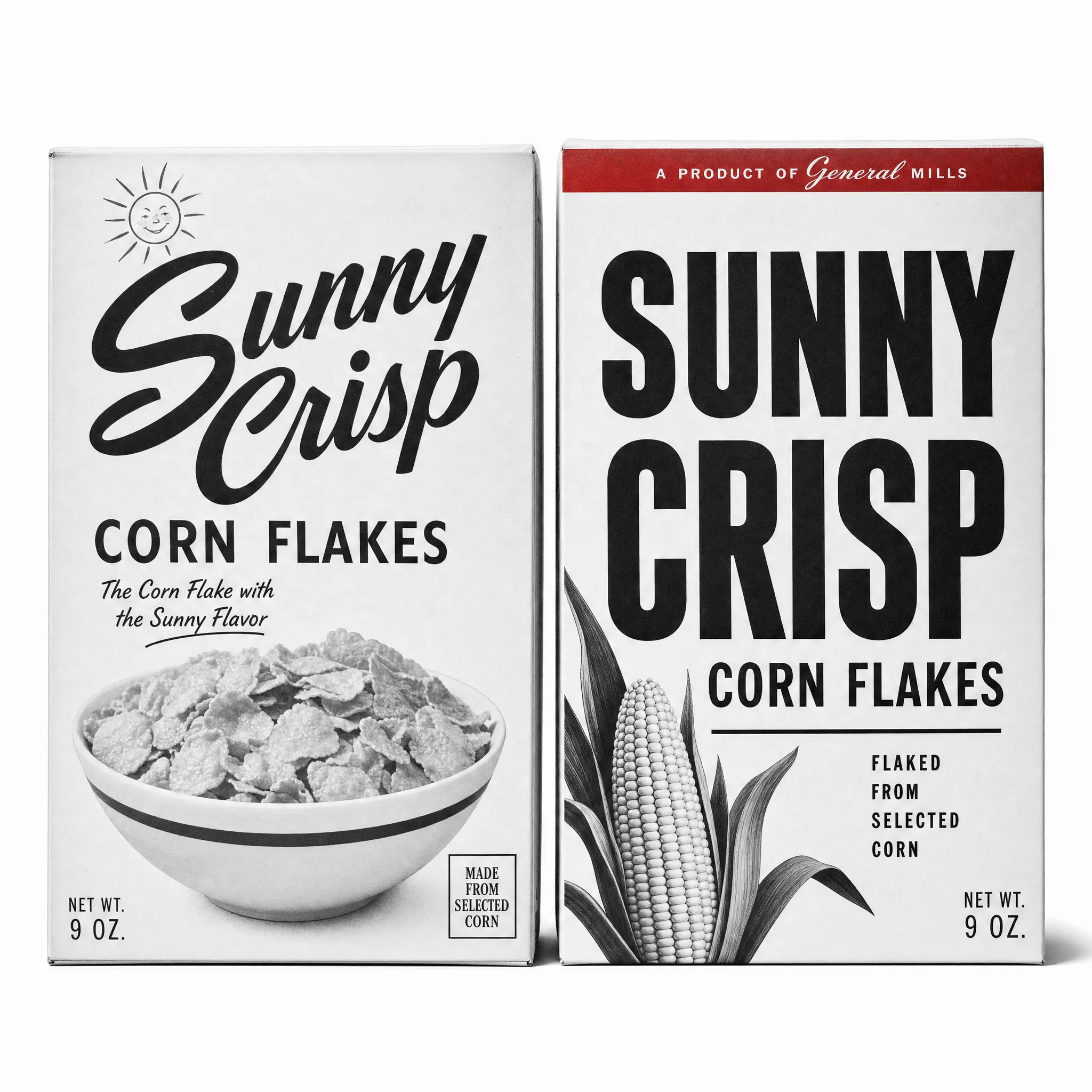
Two or more pack designs head to head for shelf appeal. Because answers come back in words, you learn what shoppers actually noticed on each pack: not just which one won, but what did the winning.

When to run it

Before the print run. A reprint costs real money; this test costs a coffee break.

Price viability test visual
Bounded, in-context only

Price viability.

Does the price hold up?

Does the product hold up at $X, presented in context? Bounded and specific, the way a shopper actually meets a price. What it deliberately is not: an open “how much would you pay?” Stated willingness to pay is unreliable, so the product refuses that question outright.

When to run it

Before a price rise, a premium line, or entering a market where the anchor price is different.
Ad concept test visual

Ad concept.

Does the ad persuade?

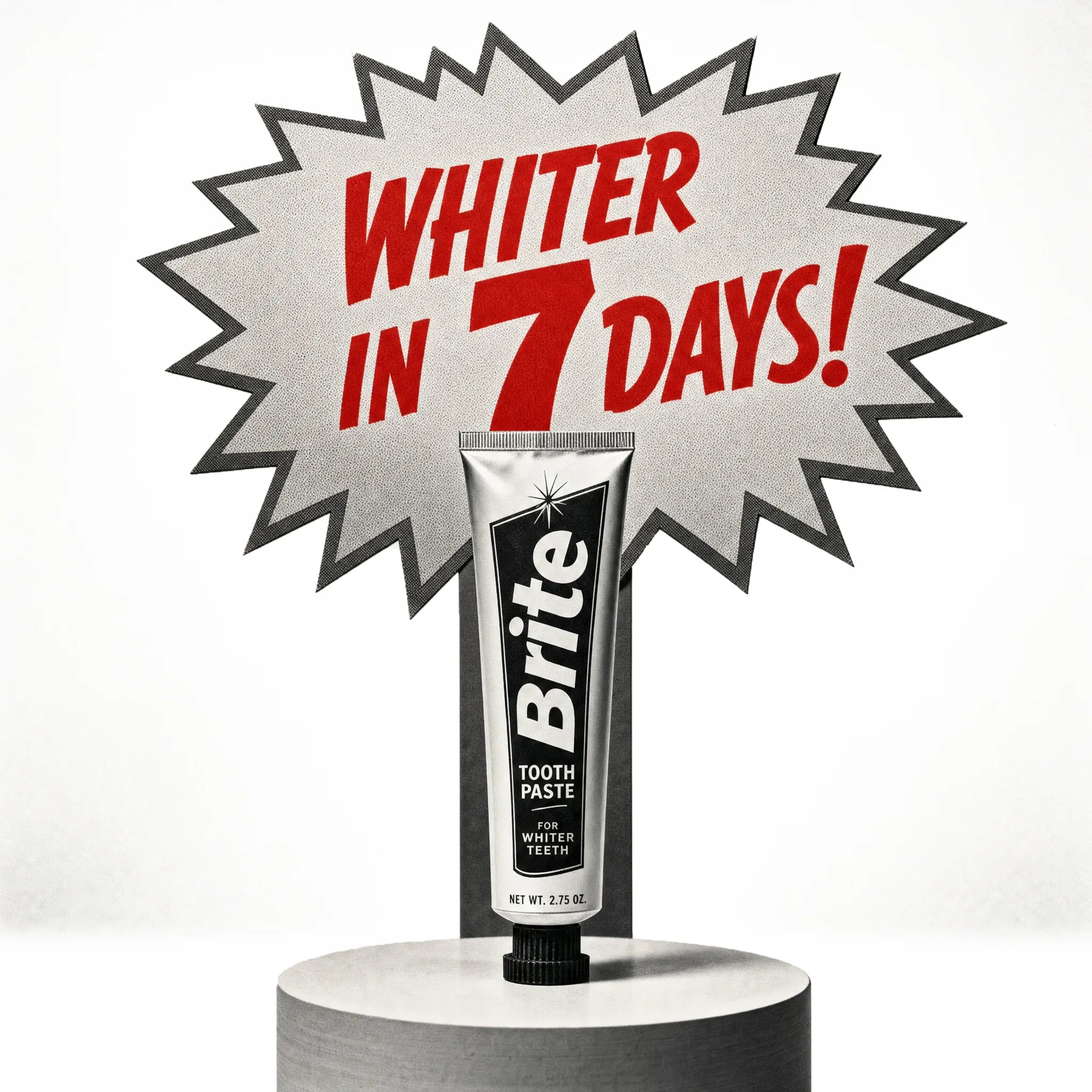
Puts the ad in front of shoppers before the media budget is committed. The verbatims catch what a click-through rate never will: one study found the imagery showed bottles while the copy said cans, before the campaign shipped.

When to run it

Before the media spend goes live, or when creative and strategy are backing different routes.

Brand trust test visual

Brand trust.

Do they believe you?

Whether your story and presentation earn trust from shoppers meeting you cold. Surfaces the hesitations (sounds too good, who even makes this, why should I believe the label) while they're still cheap to fix.

When to run it

For a new brand, a claim-heavy category, or before entering a market where nobody knows you.

Claims believability test visual

Claims believability.

Does the claim convince?

Ranks which of your claims convince and which bounce off. The classic result: a provenance claim beating an efficacy claim. Shoppers believed where it was from more than what it promised. You find that out here, not on the pack.

When to run it

Before printing a claim on packaging or building a campaign on it.

Promotional mechanic test visual

Promotional mechanic.

Does the offer tempt?

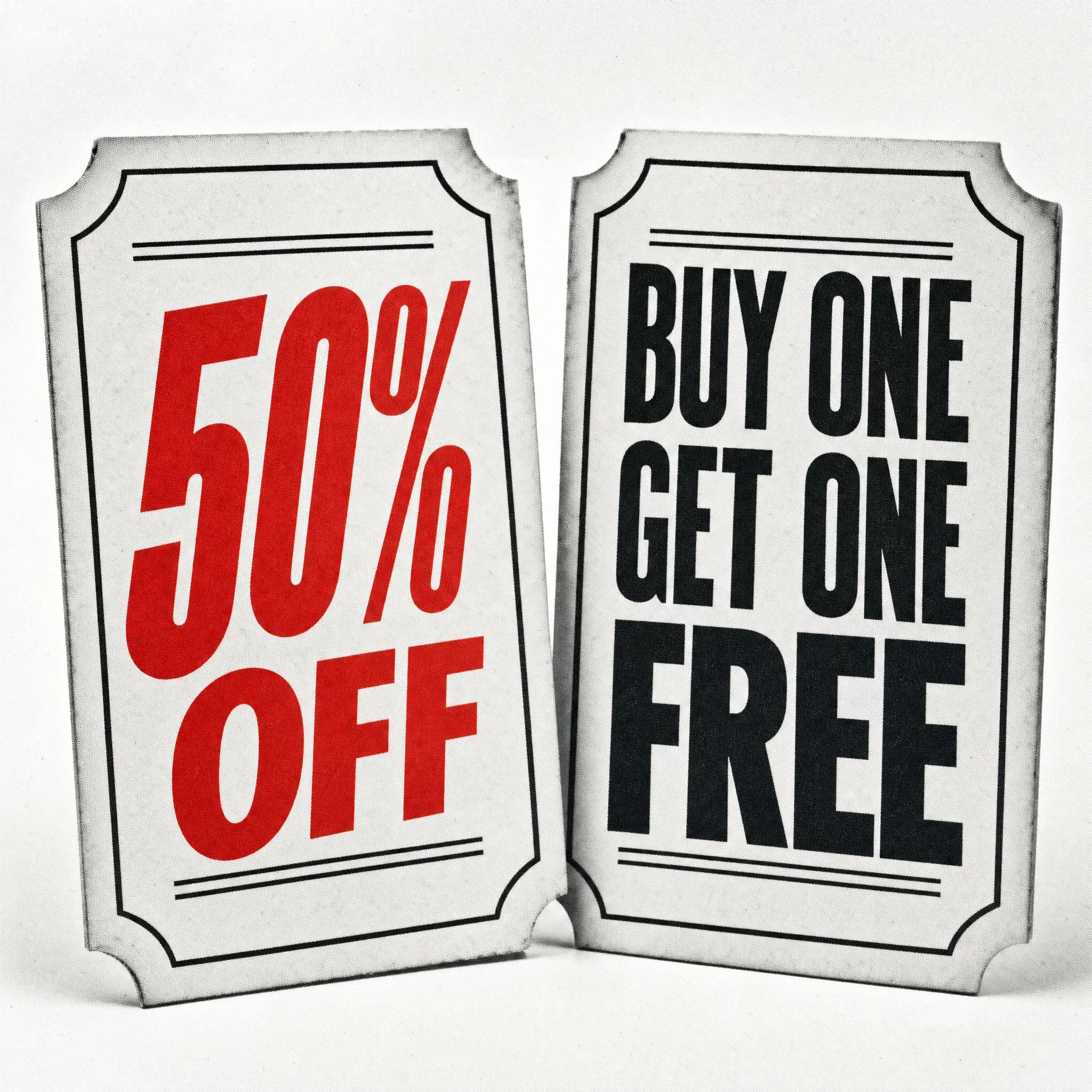
Fifty percent off or buy-one-get-one? Same margin math can land completely differently in a shopper's head. Run the mechanics head to head and hear how each one is actually read.

When to run it

Before a sale, a bundle, or a loyalty offer, while the mechanic can still change.

Event ticket demand test visual

Event ticket demand.

Would they show up?

Demand for an event angle, read with the audience you actually want to fill the room. Campaign territories can be run head to head, and if two are equal the honest answer is parity: combine them and move on.

When to run it

Before tickets go on sale, or when two campaign directions are splitting the marketing team.

Results

What you get back.

Every study returns a purchase intent score with a confidence range, the level of agreement among shoppers, and every individual answer in full. The verdict is one of four bands, based on the score.

Strong Viable Iterate Weak

Ties are reported as ties

testfeed never manufactures a winner. If two variants perform the same, it tells you, and you can stop debating.

Pack test · Sunny Crisp Corn Flakes

N = 100

0

Purchase intent

Viable
95% CI · 61 to 73 Consensus: moderate

Recurring themes

  • + Health cue lands
  • + Shelf standout
  • ! Price hesitation
“I like that it looks less sugary than the big brands. I would try a box if the price was close to what I pay now.”
Simulated shopper No. 072 · F, 34 · Midwest
The Sunny Crisp corn flakes box being tested

Guardrails

The tests we don't run.

If a question isn't on the shelf above, that's deliberate. These get blocked before they run and before they cost you anything.

“How much would you pay?”

Stated willingness to pay is unreliable, so we don't ask it.

Rejected

“Rate this 1 to 5.”

Asking an AI for a rating produces inflated scores. Shoppers answer in words only.

Rejected

“How does it taste?”

Simulated shoppers have no senses. Taste, smell and texture are out of scope.

Rejected

“Heard of our brand?”

A simulated shopper has no real memory of your brand, so awareness questions would be meaningless.

Rejected

Try it on your own store.

Book a demo and we'll run your first study with you.

Direct install from the Shopify App Store arrives in a few weeks.